
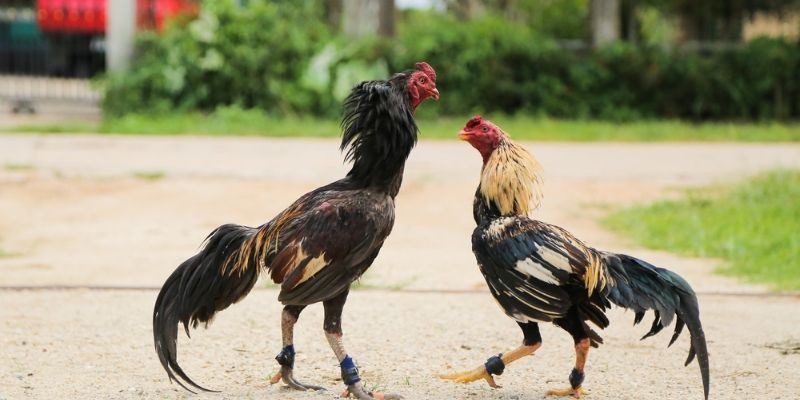
Endurance in fighting roosters is one of the key factors determining their success in professional cockfights. Owning a rooster with good endurance not only helps it withstand intense matches but also reflects the care, training, and genetics of its owner. In this article, https://gg88.guru/ we will explore comprehensively the endurance of fighting roosters – from their characteristics, training methods, and nutrition, to the role of genetics in creating outstanding fighting roosters.
Overview of durable fighting roosters: Characteristics and Importance
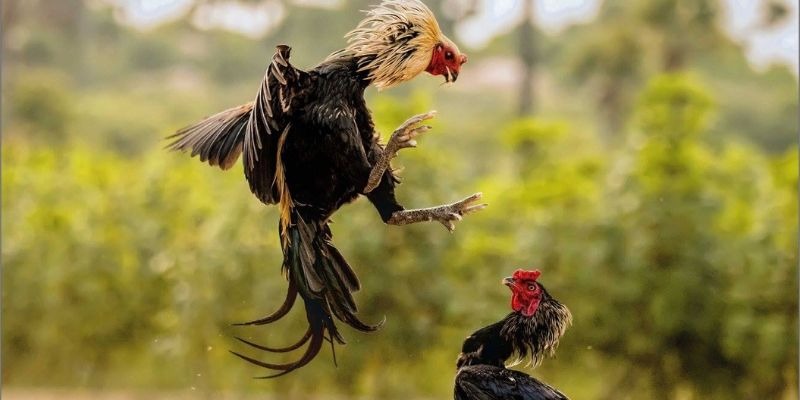
Endurance fighting roosters are a type of rooster that possesses excellent resilience, maintaining strength throughout a prolonged fight. The outstanding characteristics of these roosters lie not only in their health but also in their ability to recover quickly after each blow and their ability to withstand the dramatic atmosphere of a battle. For fighters, an endurance rooster will help them fight longer, maintain their form, and increase their chances of winning in competitions.
In the increasingly competitive world of cockfighting, the importance of endurance cannot be underestimated. It is a decisive factor that makes matches more exciting, minimizes the risk of injury, and helps fighting roosters maximize their potential. At the same time, endurance reflects proper care from the trainer and good genetic traits of the breed.
Criteria for evaluating the endurance of fighting roosters – Key factors
To determine the endurance of a fighting rooster, breeders need to rely on many objective and subjective criteria. Firstly, the ability to withstand continuous and prolonged attacks is the primary factor. Tests are often used, such as keeping the rooster in a fighting state for extended periods to observe its reaction under harsh conditions.
Furthermore, endurance is also demonstrated through the ability to burn energy efficiently, quick reflexes, and the speed of recovery after injury or fatigue. A highly durable rooster also needs to possess physiological qualities such as a strong cardiovascular system, firm muscles, good metabolism, and resistance to physical-related diseases. These factors combine to create a formidable fighting rooster in matches.
Methods for training fighting roosters to increase endurance – Techniques and exercises
Training is a crucial factor in effectively improving the endurance of fighting roosters. Exercises such as sprinting, prolonged sparring, and reflex training stimulate the rooster’s stamina. In particular, high-intensity training, interspersed with recovery periods, helps the rooster reach its limits of endurance in the shortest possible time.
Furthermore, combining appropriate training with a proper rest schedule will prevent the chicken from becoming overloaded and promote faster recovery. Trainers need to closely monitor the chicken’s reactions to adjust the exercises accordingly, avoiding excessive training that could be counterproductive. Persistence and a systematic approach to training are key to creating a resilient fighting rooster capable of long-term combat.
Scientific nutrition regimen for long-lasting fighting roosters – Secrets from experts
Nutrition plays an indispensable role in maintaining the endurance of fighting roosters. Experts recommend that the diet of fighting roosters should ensure a complete range of nutrients such as protein, carbohydrates, vitamins, and minerals to support muscle development and increase resistance. Protein-rich foods such as rice, rice bran, broken rice, zinc, calcium, and supplementary herbs will help fighting roosters maintain stable physical condition.
In addition, mixing medicinal herbs such as ginseng, garlic, and ginger helps stimulate digestion, boost immunity, and promote rapid recovery after each battle. Breeders need to monitor the chickens’ health and adjust their diets appropriately at each stage to ensure they maintain optimal fighting ability.
Preventing and treating diseases that affect the endurance of fighting roosters.
Disease poses a significant threat to the health and endurance of fighting roosters. Regular preventative measures, maintaining hygiene in the coop, and frequent health checks are the best ways to keep fighting roosters in stable condition. Common diseases such as cholera, coccidiosis, pasteurellosis, and digestive disorders can all weaken the rooster’s health and negatively impact its endurance.
When chickens fall ill, treatment must follow the correct procedures and use the right medication as directed by the veterinarian. Simultaneously, supplement with immune-boosting medications and vitamins to help the fighting rooster recover quickly from within. Good disease prevention not only protects the chicken’s physical condition but also ensures high competitiveness in major fights.
Famous fighting chicken breeds known for their endurance – Analysis of advantages and disadvantages.
On the market, there are many famous chicken breeds known for their endurance, such as fighting chickens, bantam chickens, Tan Chau chickens, or imported breeds from countries like the US and Thailand. Each breed has its own unique characteristics, from body structure and stamina to fighting ability. Traditional fighting chickens stand out for their resilience, agility, and natural strength, making them suitable for long fights.
However, choosing the right breed depends on the breeder’s goals and local climate conditions. Some breeds have the advantage of durability but require meticulous care, while others are easy to raise but need additional support to enhance their fighting ability. A thorough analysis of the pros and cons will help breeders choose the fighting rooster that best suits their goals.
Experience in raising fighting roosters for longevity – From a long-time breeder
The most important experience in raising fighting roosters for longevity is to always maintain cleanliness and ensure a well-ventilated, dry living environment. Experienced breeders advise that care from chick to adult must be regular, persistent, and systematic; no step should be skipped.
Furthermore, paying attention to factors such as temperature, humidity, and light, along with regular health checkups, will help chickens develop comprehensively and increase their endurance. Owners need knowledge of nutrition, appropriate training techniques, and an understanding of genetic factors to optimize the process of creating the strongest and most resilient fighting roosters.
How does the endurance of a fighting rooster affect its performance in a match?
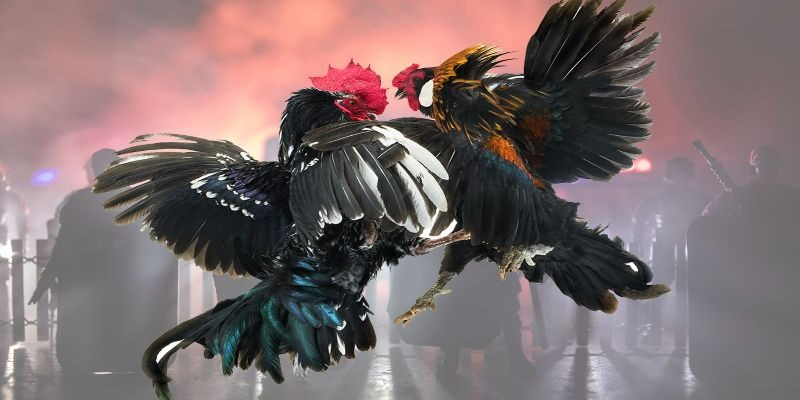
In cockfighting, endurance is a crucial factor determining a rooster’s ability to fight for an extended period. A rooster with high endurance is highly resilient, not easily fatigued, and thus maintains speed and strength throughout the fight. When the battle is prolonged, an enduring rooster will have a clear advantage, constantly attacking and not giving its opponent a chance to gain the upper hand.
Furthermore, endurance clearly reflects the training and care provided by the owner. Endurance fighting roosters generally have a higher win rate, are less prone to injury, or experience sudden declines in stamina. Therefore, investing in improving endurance not only makes the rooster stronger but also increases its chances of winning in fierce competitions.
Genetic factors in creating durable fighting roosters – Research and application
Genetics plays a crucial role in shaping the endurance of fighting roosters. Researchers have demonstrated that genes strongly influence this trait, particularly metabolism, muscle structure, and decisive reflexes. Careful selection of rooster lines with superior genetic traits will help create generations of fighting roosters that are increasingly more resilient and powerful.
In practice, experienced chicken breeders frequently use genetic breeding methods to preserve and enhance these traits. The application of modern technology such as genetic testing and selection based on genetic characteristics shortens the breeding process and yields significant results. This opens up opportunities for creating outstanding fighting roosters that are both resilient and capable of top-level combat.
Trends in the development of breeding and training of long-lasting fighting roosters.
In current trends, breeders are paying more attention to genetic factors and scientific training techniques to optimize the endurance of fighting roosters. Methods such as cyclical training and the use of new technologies like sensors to monitor the rooster’s reactions and endurance significantly improve training effectiveness.
Furthermore, research on nutrition, the use of natural herbal supplements, and innovations in care regimens have gradually helped to create fighting roosters with superior endurance, suitable for the increasingly professional competition trend. The combination of science and technology, traditional breeding methods, and genetics promises to bring many breakthroughs in this field.
Summary
Endurance in fighting roosters is a crucial factor determining their success in high-level battles. From establishing evaluation criteria and training techniques to nutrition and genetics, all play a vital role in developing resilient, long-lasting fighting abilities. Breeders and trainers need to combine traditional knowledge with modern scientific advancements to create the best warriors. Choosing the right elements is the key to success and victory in every competition, ultimately achieving the highest title.